College Athletes Want a Seat at the Table: What the New UCAA Could Mean for Women's Basketball
College athletes have gained more earning power than ever before. But earning money and having a voice are not necessarily the same thing.
College athletes have gained more earning power than ever before. But earning money and having a voice are not necessarily the same thing.
That distinction is at the heart of the newly organized United College Athletes Association, or UCAA.
The UCAA describes itself as a 501(c)(5) labor union created to protect, organize and represent college athletes through collective bargaining. Its message is simple: if decisions are being made about athletes' compensation, scholarships, health, transfers and careers, athletes should have a formal seat at the table.
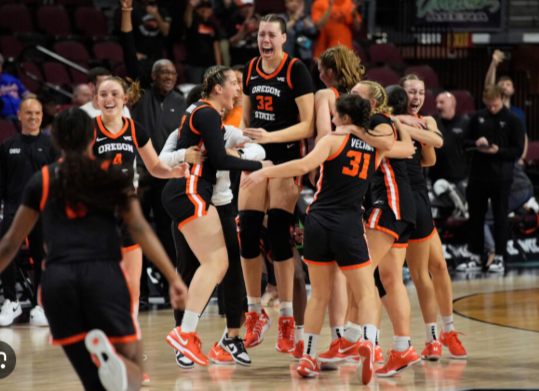
More than 100 women's college basketball players have already signed union authorization cards. In July, members of the Oregon State women's basketball team filed a petition for union representation with Oregon's Employment Relations Board, which the UCAA described as the first unionization effort in women's college sports.
That alone makes this worth watching.
But the people supporting the movement are also significant.
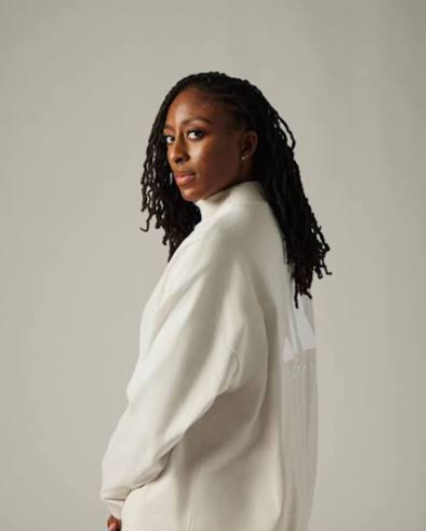
Nneka Ogwumike, president of the WNBPA, is serving as a UCAA advisor. The advisory group also includes WNBA player Cameron Brink, WNBPA executive committee member Elizabeth Williams, former NLRB General Counsel Jennifer Abruzzo and leaders with experience in other professional players' unions.
Ogwumike said her goal is to help the next generation of women's basketball players secure a collective bargaining agreement and obtain rights and protections similar to professional athletes.
So what would that actually mean?
The UCAA says it wants athletes to collectively negotiate issues including minimum compensation, revenue sharing, scholarship protections, transferable credits, transfer protections, guaranteed insurance, workers' compensation and enforceable health and safety standards.
What the UCAA Wants to Negotiate
- Minimum compensation
- Revenue sharing
- Scholarship protections
- Transfer protections
- Guaranteed insurance
- Workers' compensation
- Health & safety standards
That could become increasingly important as college sports continues to change.
NIL has created opportunities. Revenue sharing has created opportunities. But athletes are also navigating changing eligibility rules, transfer regulations, contracts and financial systems that can be difficult even for experienced adults to understand.
And those changes may affect athletes differently.
A star quarterback with major representation may have lawyers and advisors helping with every decision. A women's basketball player at a smaller program — or an athlete from a family without significant financial resources — may not have the same support.
That is where collective representation could become especially significant.
Unionization in college sports remains legally complicated, and it is far from guaranteed that the UCAA will accomplish everything it is seeking. Whether college athletes qualify as employees in different jurisdictions remains an important legal question, and previous unionization attempts in college sports have faced significant obstacles.
But something has clearly changed.
College athletes are no longer simply asking institutions to consider their interests. They are beginning to organize around the idea that the players themselves should help negotiate the rules governing their careers.
For women's basketball, having someone like Nneka Ogwumike involved gives that movement an especially important voice.
Because as the money in women's basketball grows, the athletes creating that value are asking an increasingly difficult question to ignore: if everybody else has a seat at the table, why shouldn't the players?