
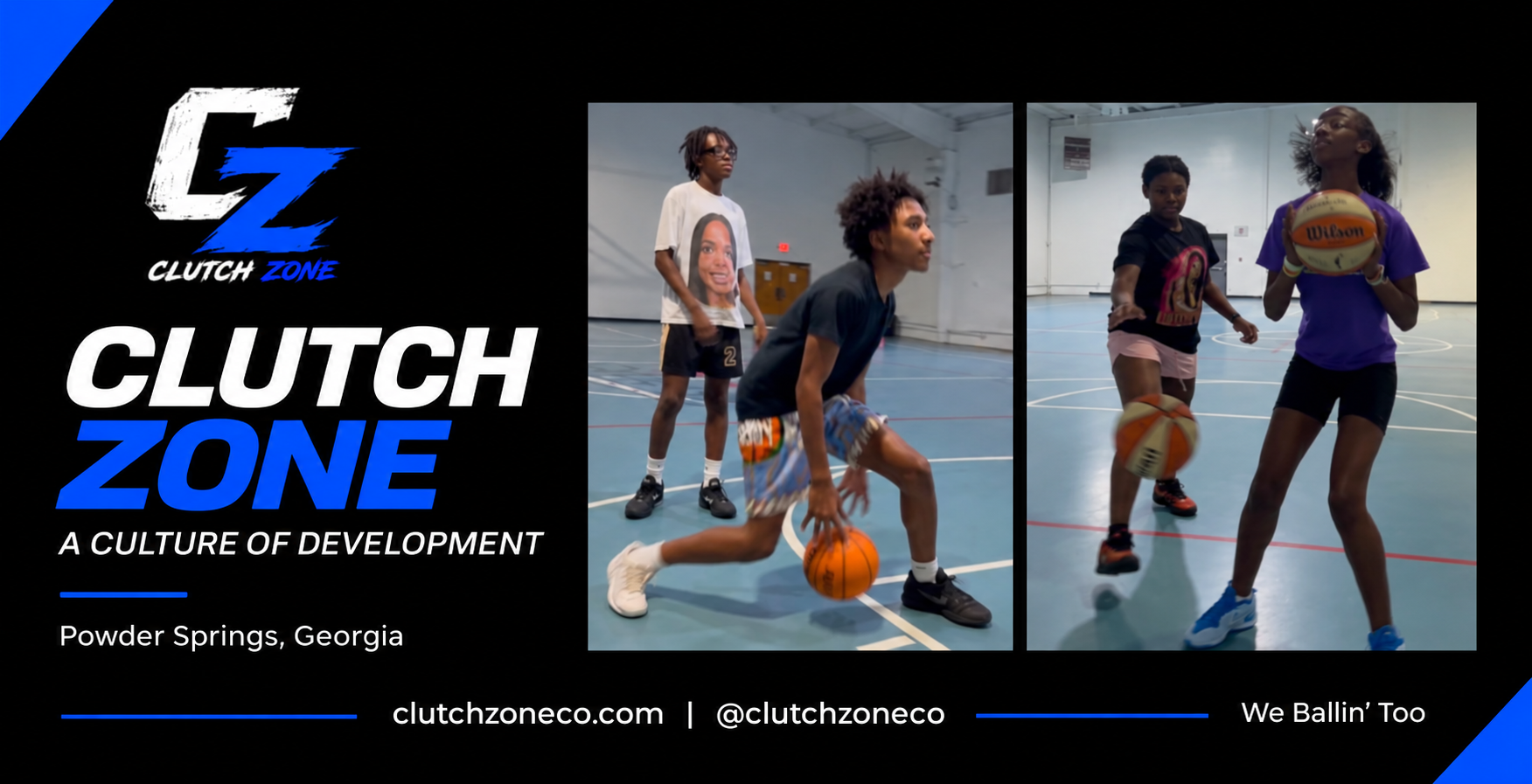
Clutch Zone: Building Confidence, Competitors, and Opportunity
Before the drills begin at Clutch Zone, the session starts with a greeting. It might seem like a small detail, but for the Powder Springs, Georgia, basketball training program, that first conversation matters. How an athlete walks through the door can reveal something about the day they have had — and what they need before they are ready to work.
"You just never know what some of these kids are dealing with."
A Place for the Overlooked Player
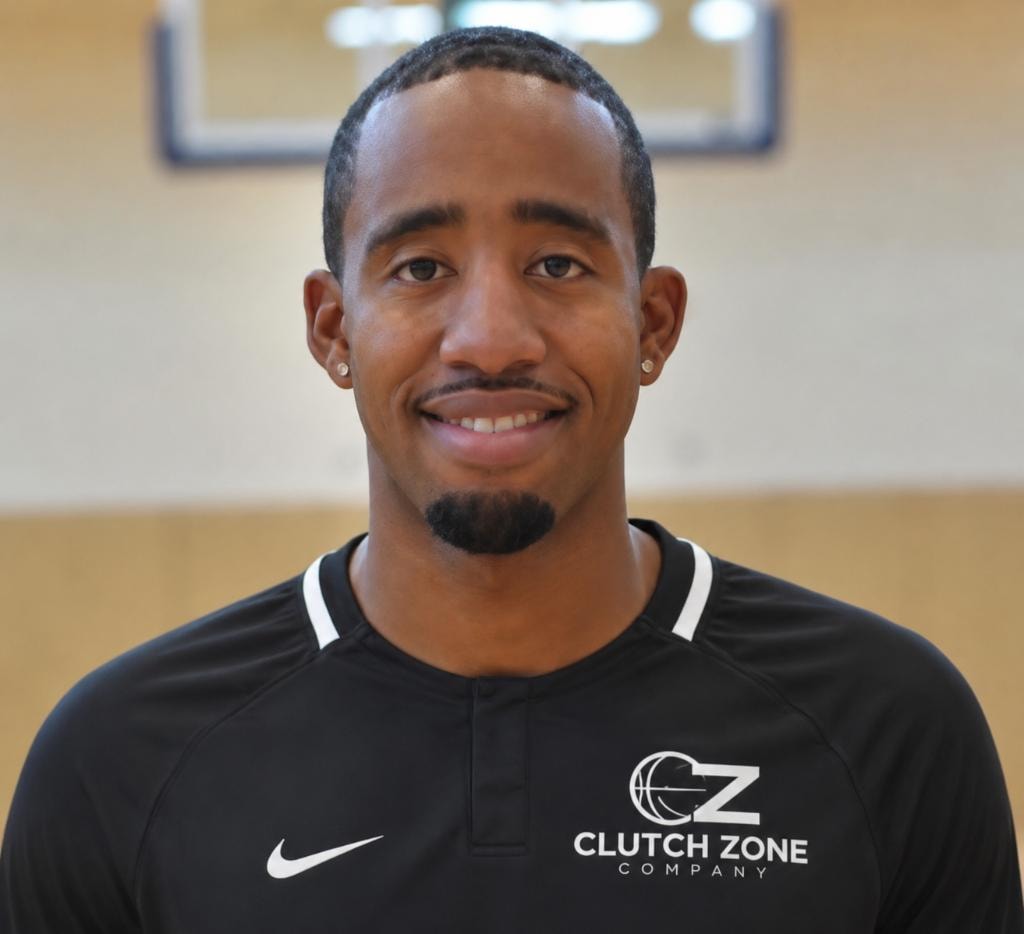
Clutch Zone's founder describes an early basketball journey shaped by being overlooked: a small guard who did not make the high school team until senior year before continuing into junior college basketball. That experience helped shape the program's purpose.
There is particular interest in the athlete who needs someone to recognise potential, explain a role, or work through the details that can get lost when attention goes elsewhere.
The business began as JFB Athletics, short for "Just for Basketball," before evolving into Clutch Zone. The broader vision was to bring different areas of basketball development together under one roof, with a company identity that welcomed collaboration. Now based in Powder Springs, the programme primarily draws families from western Cobb County and Paulding County.
"I think my niche is picking up the pieces."
Training Starts With Understanding
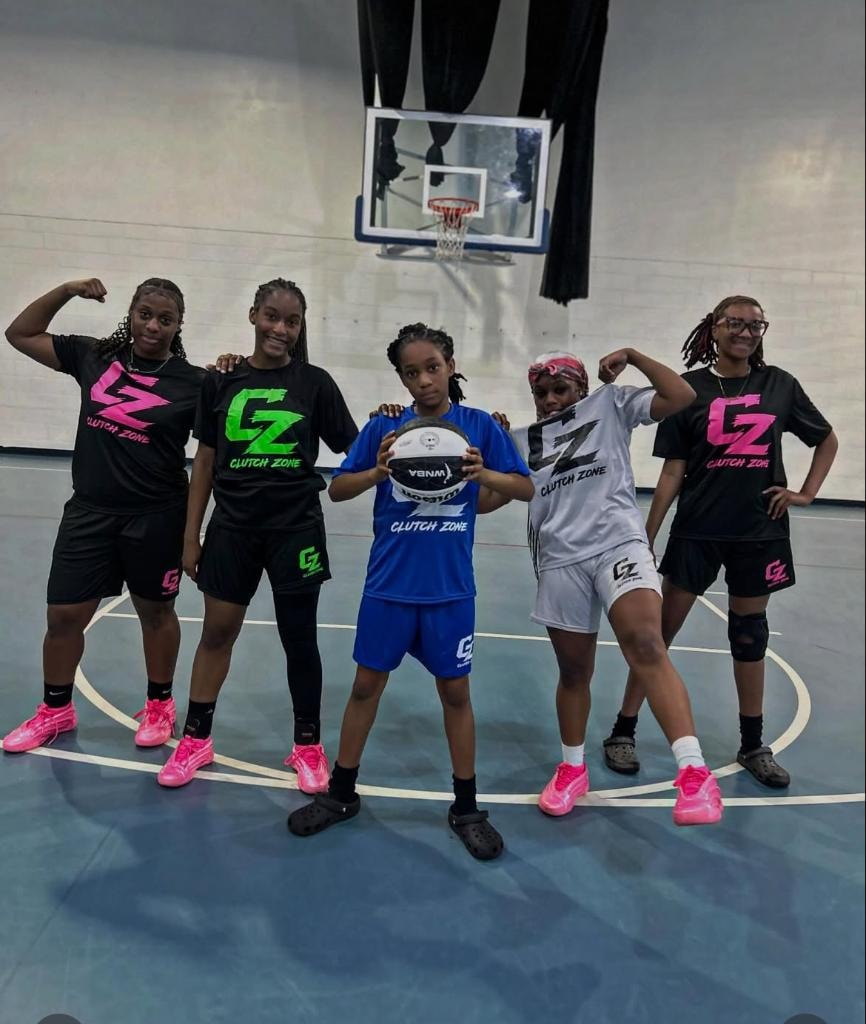
Clutch Zone serves a range of ages and abilities. Athletes commonly begin around age eight, although some younger children participate when they can remain engaged and follow detailed instruction.
Sessions are shaped around the player. For a young beginner, that might mean learning court boundaries and basic terminology. For another athlete, the focus could be ball handling, finishing, shooting, communication, or positioning.
The pace builds gradually. Early repetitions establish understanding before the session becomes more demanding. Mistakes are part of that process — the emphasis is on helping athletes continue working through difficulty without letting frustration take over.
"Not every player can accept the same style of coaching."
Preparing for the Moment
Clutch Zone's mission is to build "clutch competitors" — players who are prepared, accountable, and ready when the moment demands it. Group sessions and open runs provide opportunities to move beyond individual drills.
The founder described treating those settings like practices, stopping play when needed to examine a decision and explore other options. A possession can become a lesson: What happened? What else was available? How could the player respond differently next time?
Composure matters, too. Athletes are encouraged to recognise body language, manage their reactions, and communicate clearly. The programme's definition of competition also includes teammates — becoming a stronger player means learning how to help the people around you succeed.
Letting Girls Be Themselves
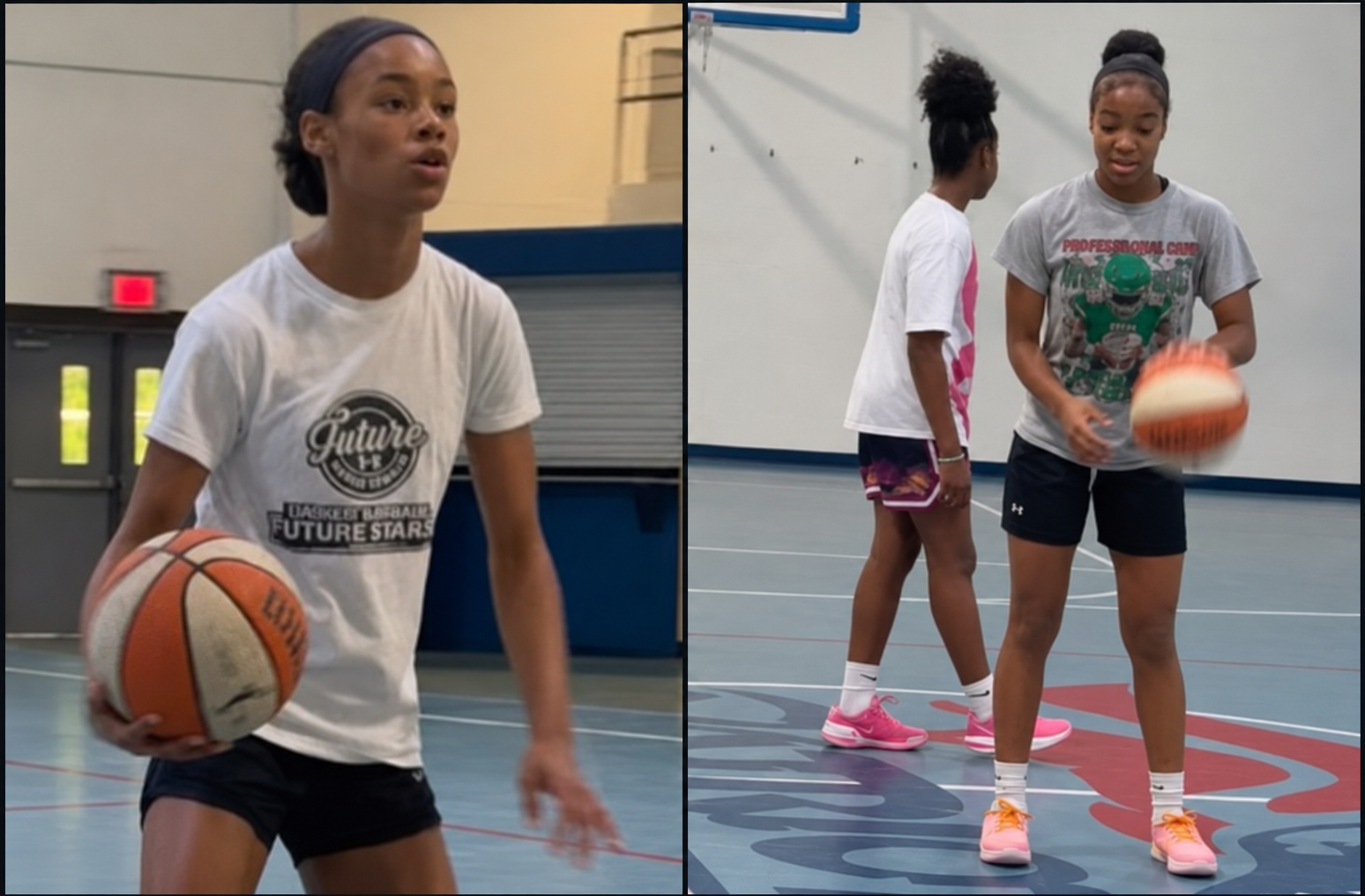
One of the interview's most meaningful observations concerned girls whose personalities do not fit the loudest expectations of a competitor. Asked what is sometimes overlooked in girls' basketball development, the founder answered: kindness.
The concern was that coaches can become so focused on making an athlete appear tougher that they overlook the strengths already present. At Clutch Zone, the stated approach is to help girls compete while respecting who they are. A quieter personality does not erase a player's ability to contribute, lead, or grow.
"Gotta run your own race."

Helping Families Understand the Journey
Clutch Zone's vision extends to the adults supporting those athletes. The founder identified family education as part of the programme's work, including conversations about branding and name, image, and likeness opportunities.
There is also a longer-term goal of reducing financial barriers. A nonprofit is being developed with the aim of funding expenses such as travel, uniforms, and tournament fees. Separately, the founder described plans for a free three-on-three league for middle and high school athletes, targeting a February 2027 start. Families should contact Clutch Zone for confirmed dates, divisions, and registration details.
A Personal Perspective
My connection to this story includes experience as a basketball parent. My daughter trained with Clutch Zone's founder for approximately three years. I have seen the conversations, corrections, and familiar laugh that can help a player stay engaged through a challenging session. That experience informed the questions I brought to this interview.
Learn More About Clutch Zone
Contact the program for current availability, pricing, and upcoming opportunities.
About the Author
Dee Roberson is the lead voice and writer behind We Ballin Too Media.